Common Defects
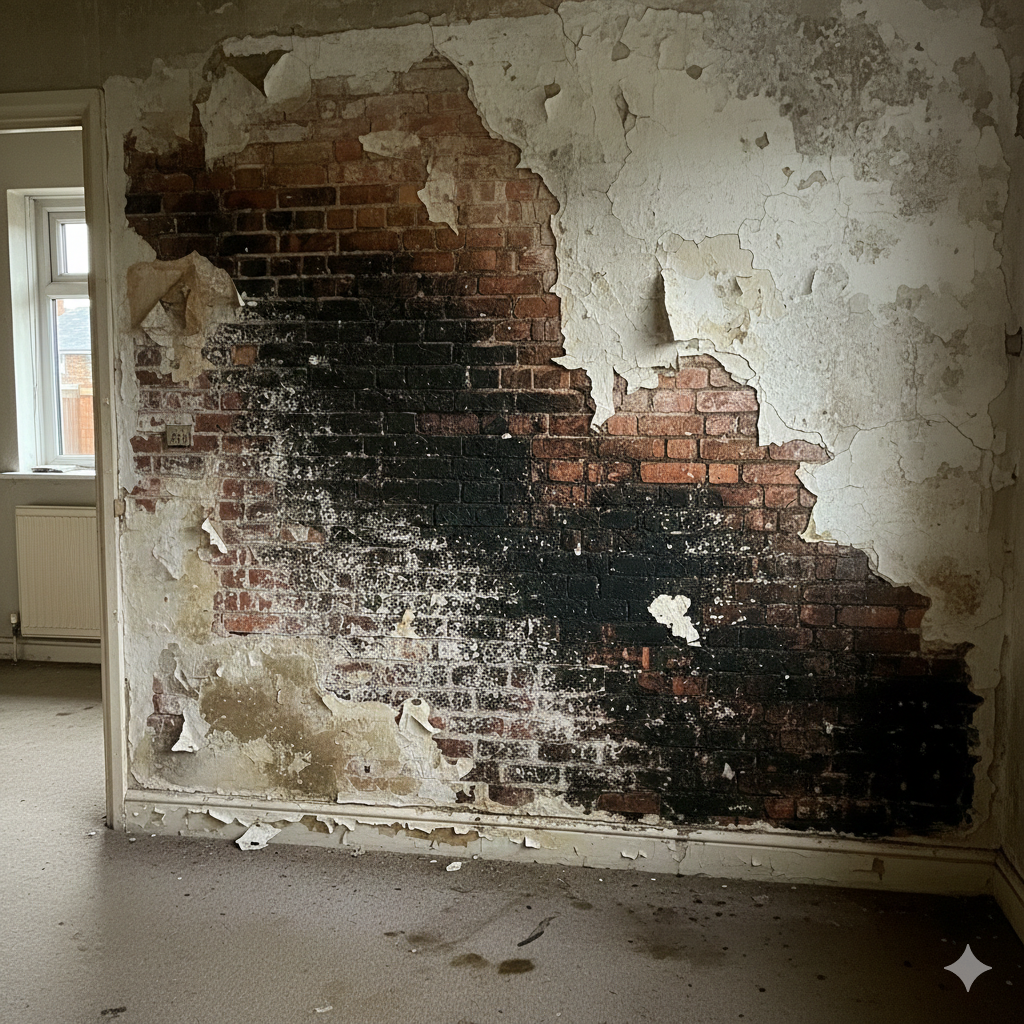
Damp
Damp is usually caused by condensation, penetrating rain, or rising moisture. Treatment begins with identifying the source—whether it’s a failed damp-proof course, blocked air bricks, or a simple plumbing leak. Once the source is sealed or repaired, the area must be professionally dried and treated. We utilize high-precision moisture meters during our inspections to map the extent of the damp and determine if it’s a simple ventilation fix or a serious structural failure.
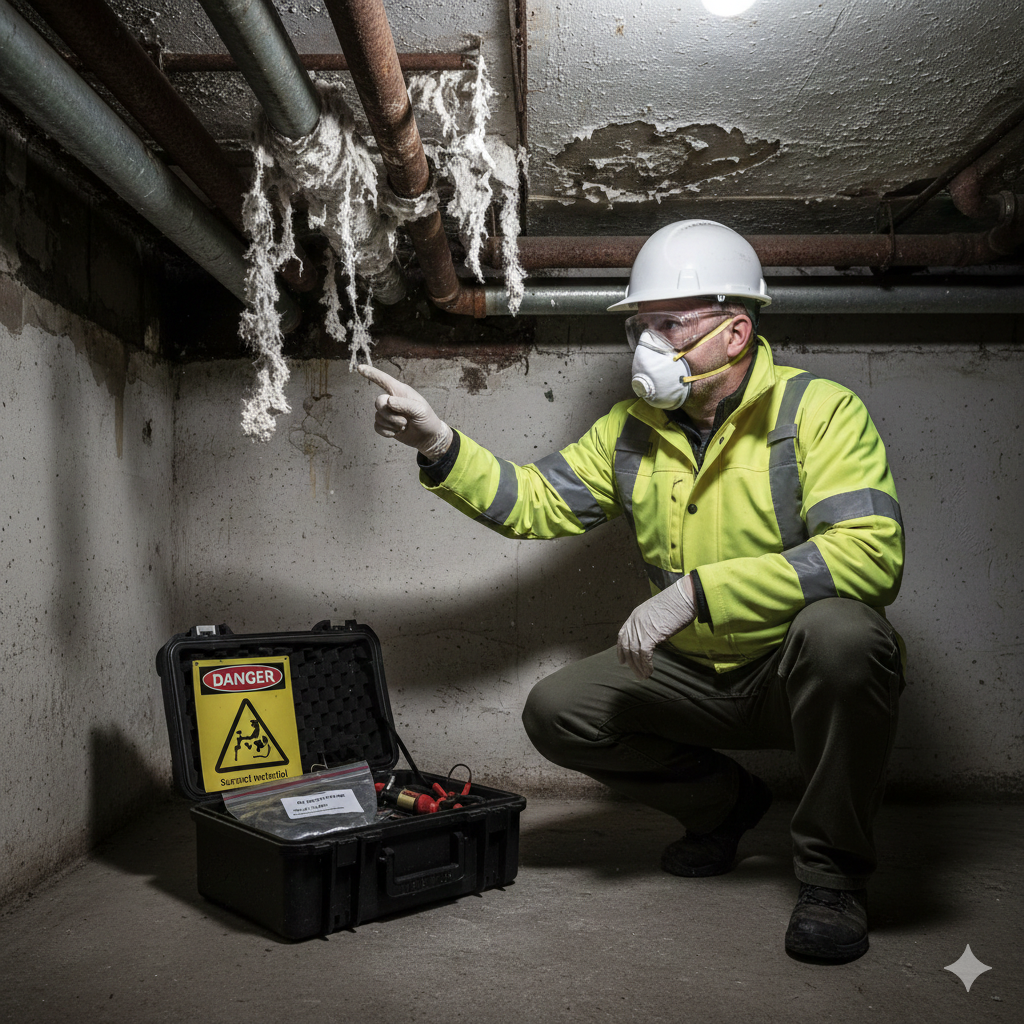
Asbestos
Common in older insulation, floor tiles, and textured coatings, asbestos is hazardous only when disturbed. If found, it should be managed by a licensed professional through encapsulation or full removal. While we do not take physical samples, we are trained to identify high-risk materials based on the property’s age and construction type, flagging potential ACMs (Asbestos Containing Materials) so you can arrange testing before you buy.
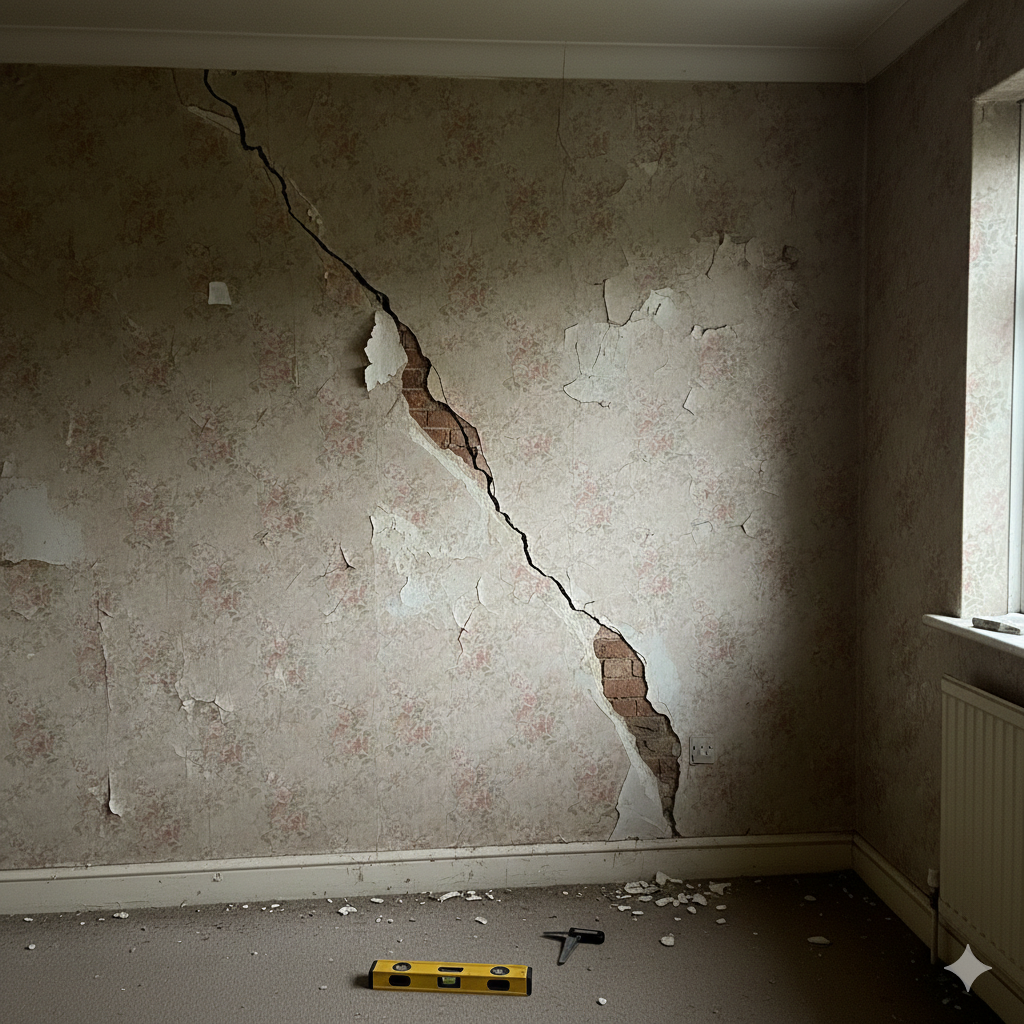
Cracking & Structural Issues
While some cracks are merely cosmetic settling, others signal structural movement or subsidence. Treatment ranges from resin injections and "helibar" stitching to significant underpinning if foundations are unstable. We excel at differentiating between "hairline" shrinkage and serious structural shearing, analyzing the pattern and width of cracks to provide a definitive view on whether a specialist structural engineer is required.
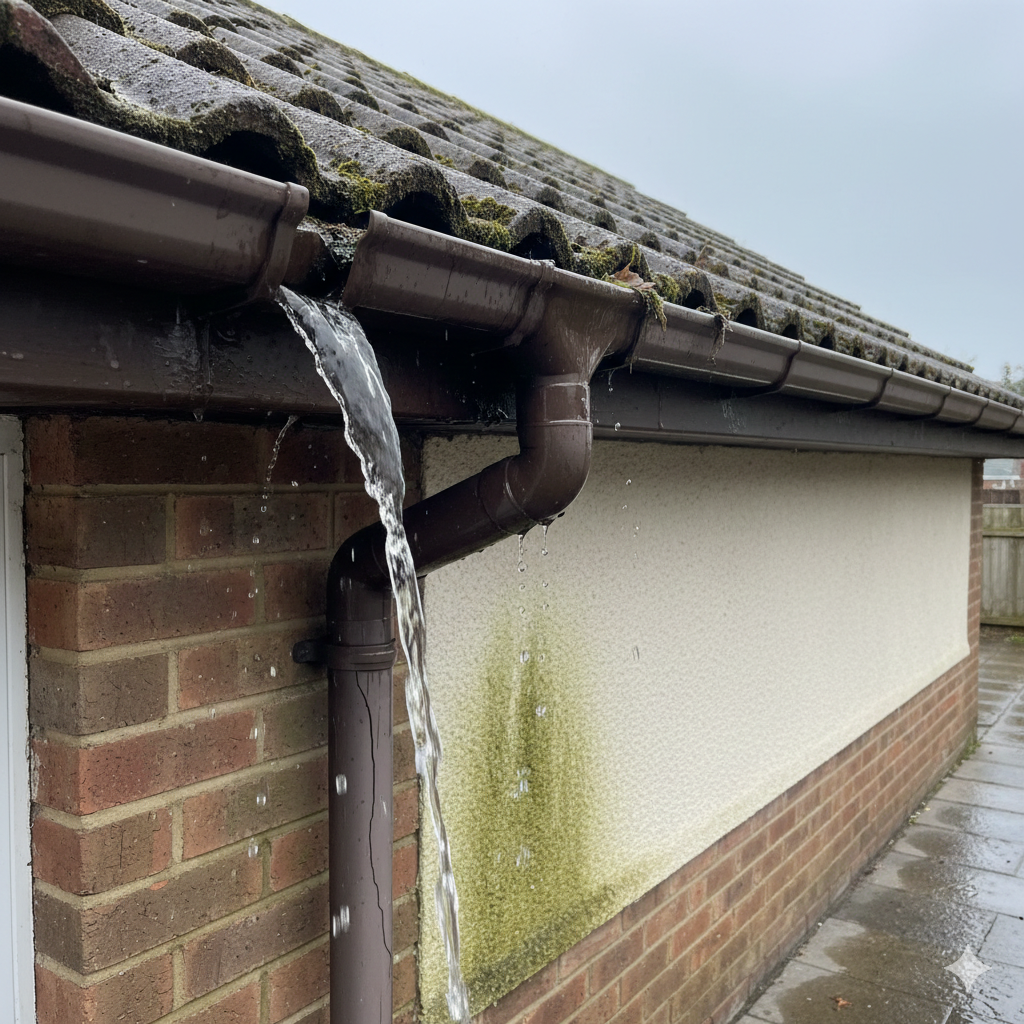
Leaky Gutters
Faulty gutters allow water to saturate external walls, leading to internal damp and timber rot. Treatment typically involves clearing debris, resealing joints, or replacing sections with modern materials. Using our high-reach equipment and drone technology, we can inspect guttering and high-level rainwater goods that are often invisible from ground level, catching small leaks before they cause expensive internal damage.
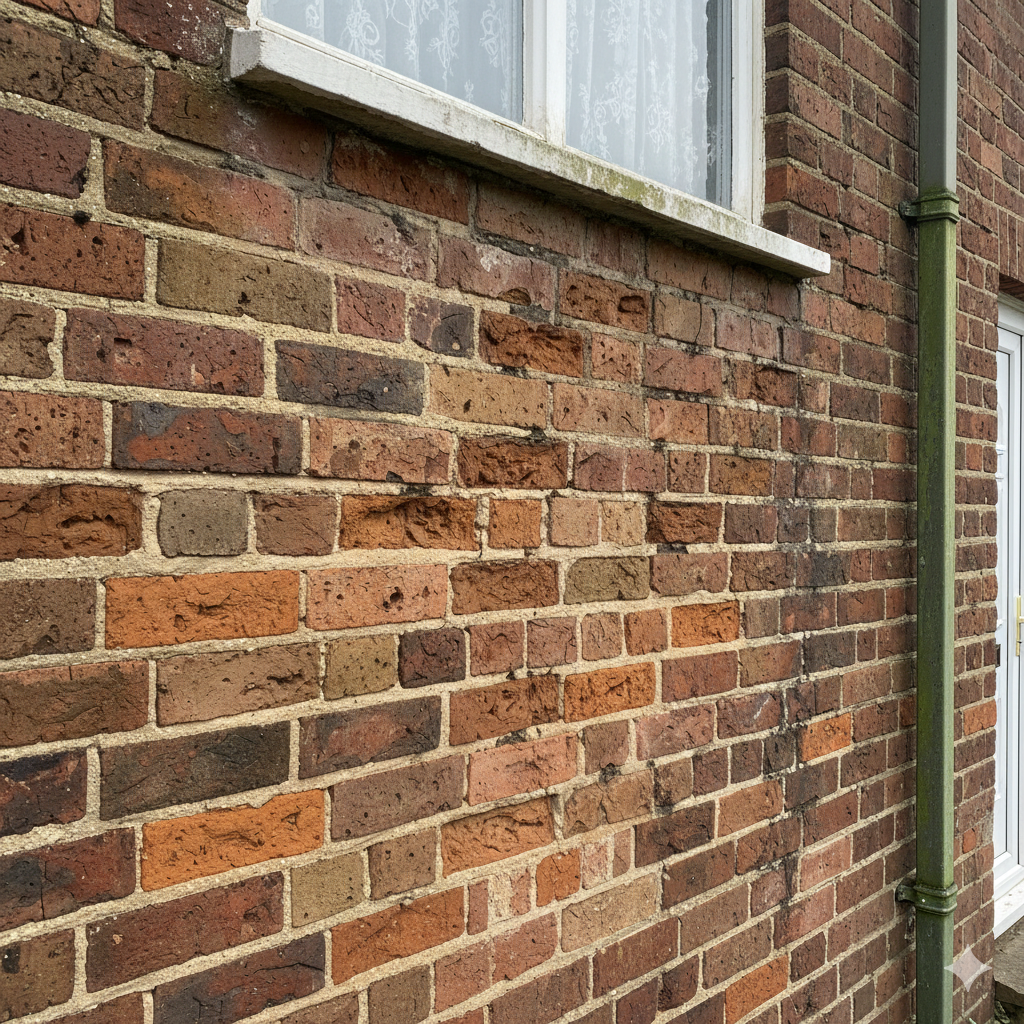
Perished & Spalling Bricks
This occurs when water freezes inside the brick, causing the face to crumble. Treatment involves replacing damaged bricks and repointing with breathable mortar. We can assess the condition of your masonry to identify if spalling is localized or symptomatic of wider issues, like poor past repairs or rising damp, helping you estimate the cost of restorative brickwork.
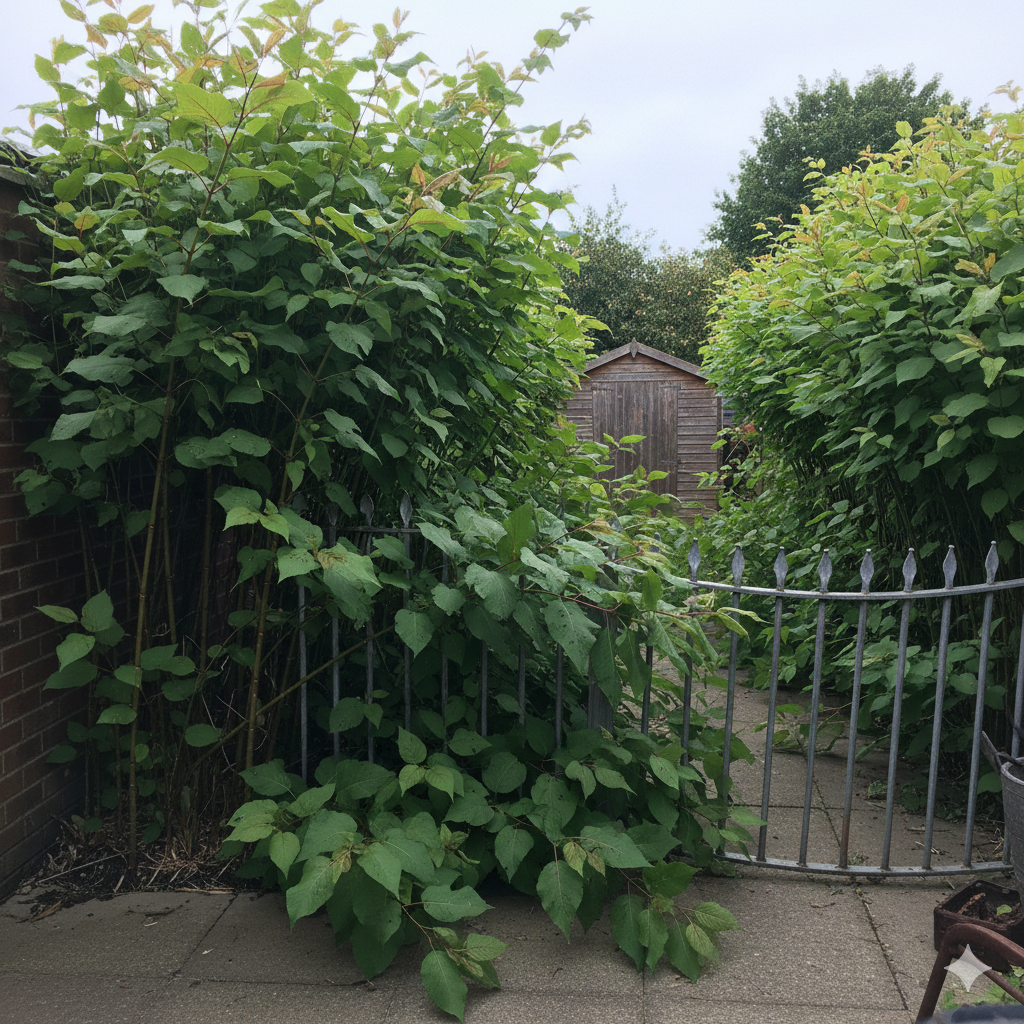
Japanese Knotweed
This invasive plant can damage foundations and devalue a property significantly. Treatment involves a multi-year programme of professional-grade herbicide or total excavation. We can provide a thorough garden and boundary inspection to check for the presence of this "red flag" species, ensuring you don't inherit a legal and financial headache that could affect your future mortgage.